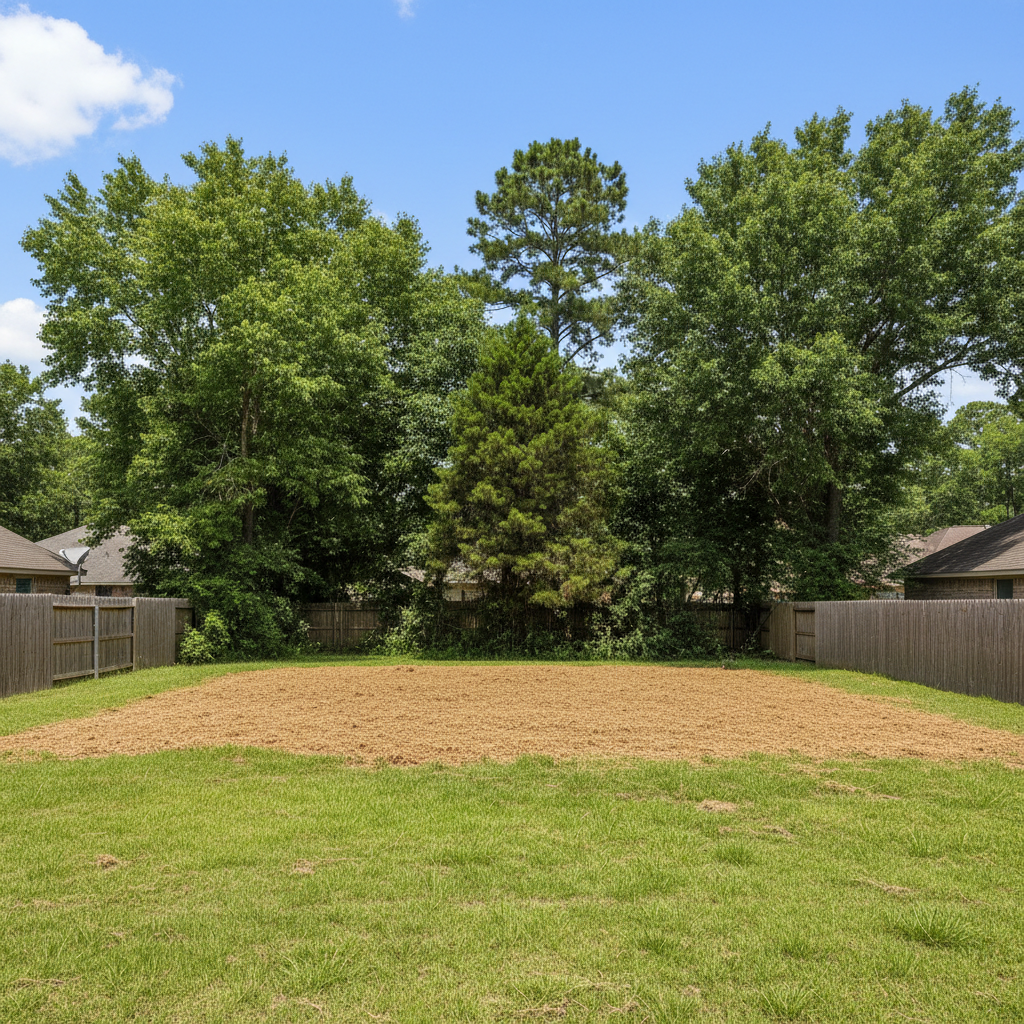
So, you've finally had that tree removed from your property. Maybe it was a huge oak threatening your roof, or a sick pine that just couldn't be saved. Whatever the reason, that big job is done. But here's the thing: the work isn't always 100% finished just because the tree is down and hauled away. You've still got to think about what comes next, especially if you want that spot to stay clear and healthy.
Making Your Cleared Space Last
When I talk about 'making the work last,' I mean keeping that area free from new problems and making sure your investment in tree removal pays off over the long haul. The biggest thing here is dealing with the stump. If you just left it in the ground, you're practically inviting a whole host of issues. It can become a home for pests like termites and carpenter ants, which you absolutely don't want near your house. Plus, it can sprout new growth, turning into a multi-stemmed mess that's even harder to deal with later on. What a headache!
That's why stump grinding is almost always the right call. It basically pulverizes the stump down below ground level, usually 6 to 12 inches deep. This gets rid of the main source of potential regrowth and removes a pest haven. Once that's done, you've got a clean slate. You can fill the hole with good topsoil, plant some grass, or even put in a new garden bed. Taking this step early saves you a lot of grief down the road, believe me.
Regular Upkeep After Tree Removal
Even with a good stump grind, you can't just forget about the area. Especially here in Huffman, with our humid climate and fertile soil, things grow fast. You'll want to keep an eye on the spot where the tree used to be.
- Watch for Sprouts: Even after grinding, some tree species — especially fast-growing ones like Chinese Tallow or Water Oak — can send up suckers from any remaining root fragments. If you see small shoots popping up, cut them back immediately. Don't let them get established.
- Monitor Soil Health: The decomposition of remaining roots can change the soil over time. If you plan to plant something new, you might need to add compost or fresh topsoil to give new plants a good start.
- Prevent Weed Invasion: A cleared, sunny spot is prime real estate for weeds. Mulching the area or planting ground cover can help keep weeds at bay and maintain a neat appearance.
- Check for Settling: Over time, the soil where the stump was ground can settle as the remaining wood chips and roots break down. You might need to add more soil periodically to keep the area level.
It's not a daily chore, but a quick check every few weeks, especially during our long growing season, can make a big difference.
Warning Signs of Problems
You've done the removal, you've ground the stump, but sometimes things still pop up. Here are a few red flags you should watch for:
- Persistent Regrowth: If you're constantly battling sprouts from the old stump or roots, despite cutting them back, it might mean the stump wasn't ground deep enough, or the tree was particularly aggressive with its root system.
- Pest Activity: Keep an eye out for signs of termites, ants, or other insects around the former tree site, especially if you didn't grind the stump. Sawdust, mud tubes, or actual insects are clear indicators.
- Fungal Growth: Mushrooms or other fungi appearing around the old stump area can indicate decaying wood still present underground. While often harmless, some fungi can be a sign of deeper issues or attract certain pests.
- Unusual Settling: If the ground around the removal site is sinking significantly or unevenly, it could be due to large root systems decaying and creating voids. This can be a tripping hazard or affect future landscaping.
Our heavy clay soils in Huffman can hold a lot of moisture, which speeds up decomposition and can make some of these issues more pronounced if you don't address them.
When to Call a Professional
Look, you don't need to call me, or anyone at New Look Tree, for every little sprout. But there are times when it's smart to bring in the pros again:
- Stubborn Regrowth: If you're fighting a losing battle with suckers and sprouts, we can apply professional-grade herbicides directly to the remaining root system to finally kill it off without harming your other plants.
- Pest Infestation: If you suspect termites or other wood-boring pests, you'll need an exterminator, not a tree service. But we can help assess if the old stump or roots are the source.
- Major Settling or Drainage Issues: If the ground is sinking badly or creating drainage problems, we can evaluate the site, potentially add more soil, or suggest landscaping solutions.
- Planning New Plantings: If you want to put a new, substantial tree or a large garden bed where the old one was, we can advise on soil preparation, root removal, and proper planting techniques to ensure your new additions thrive.
The goal is to make sure that cleared space becomes an asset to your property, not a lingering problem. A little attention after the fact goes a long way in keeping your Huffman yard looking its best.