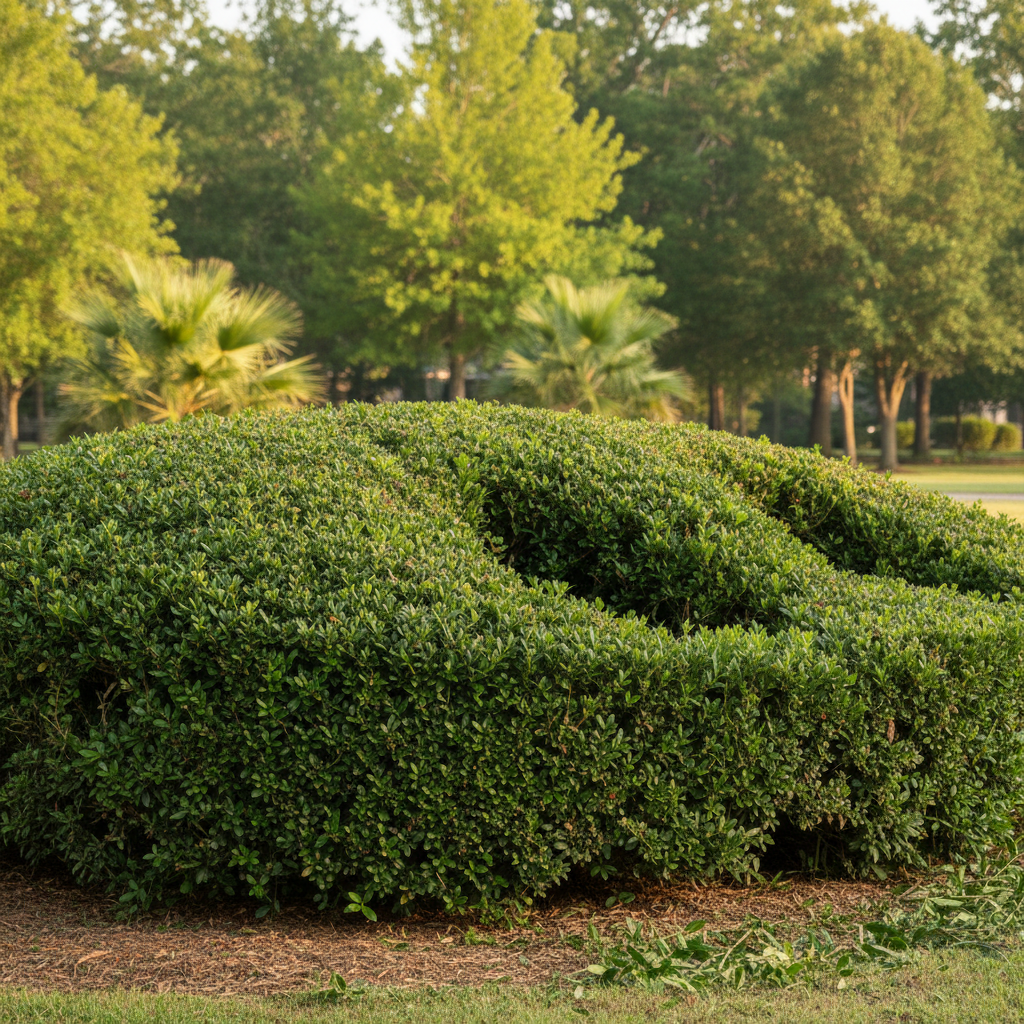
Alright, let's talk about those shrubs and bushes around your house. You look out there and think, "They're getting a little wild, maybe I can just grab some shears and go at it." And you know what? A lot of the time, you absolutely can. But there's a right way and a wrong way to tackle it, and knowing the difference can save you a lot of headache, or even save your plants.
Before You Even Think About Cutting
First things first: what are you actually trimming? Different plants, you see, have different needs. A sprawling azalea isn't going to get the same treatment as a tall, skinny holly. Take a minute to identify what you've got. A quick search online with a picture of your plant can tell you its name and its ideal trimming season. Trimming at the wrong time? That can mess with flowering, or worse, stress the plant out.
Next, grab the right tools. Don't try to prune thick branches with tiny hand pruners; you'll just hurt yourself and the plant. For most smaller shrubs, a good pair of bypass hand pruners and maybe some loppers for thicker stuff is usually enough. If you're dealing with hedges, electric or gas hedge trimmers can save you a ton of time, but be careful with those. They're for shaping, not for making big cuts.
And safety, folks. Always wear gloves. Those branches can scratch you up, and some plants have sap that can irritate your skin. Eye protection is a must, especially if you're using power tools or cutting anything above your head. You don't want a twig in the eye, trust me.
Getting Down to Business: The Trimming Itself
Okay, so you've got your tools, you know what you're trimming, and you're ready. What's the goal here? Are you just tidying up, or are you trying to reshape something?
- Start with the Dead Stuff: Always remove any dead, diseased, or damaged branches first. These aren't helping the plant, and they can spread problems. Cut them back to healthy wood.
- Look for Rubbing Branches: If two branches are rubbing against each other, one of them needs to go. That rubbing creates open wounds, which are an invitation for pests and diseases.
- Think About Airflow: Dense shrubs can get pretty choked up in the middle. Thinning out some of the interior branches, especially on broadleaf evergreens, helps with air circulation. This is especially important in our humid Huffman climate; good airflow helps prevent fungal issues.
- Shape, Don't Shear (Mostly): For most shrubs, you want to maintain their natural shape. If you're just shearing everything into a perfect box, you're often cutting off the new growth that would produce flowers or fruit. Try to cut back to a side branch or a bud that's facing the direction you want new growth to go. For formal hedges, shearing is fine, but even then, try to keep the bottom a little wider than the top so sunlight can reach all parts of the plant.
- Don't Take Too Much: A good rule of thumb is to never remove more than about a third of the plant's total mass in one go. If it needs more than that, spread it out over a few months or even a year. Over-trimming can shock the plant and make it vulnerable.
When you're making cuts, make them clean. Ragged cuts take longer to heal and can invite disease. Use sharp tools, and make your cuts at an angle if you're cutting a main branch, so water doesn't sit on the cut surface.
After the Trimming Is Done
You've trimmed, you've cleaned up the mess (don't leave those trimmings lying around, they can harbor pests). What now? Give your plants a little love. A good watering, especially if it's been dry, can help them recover. If you trimmed during the growing season, a light feeding with a balanced fertilizer can give them a boost. Just don't overdo it.
Keep an eye on your plants in the weeks following the trim. Look for any signs of stress, disease, or pest infestation. Early detection can save the plant.
When to Call New Look Tree (Or Another Pro)
Look, a lot of basic shrub trimming is totally doable for a homeowner. But there are times when it's just smarter, safer, and better for your plants to call in the pros. Here's when you should probably pick up the phone:
- Size Matters: If your shrubs are getting so big they're practically small trees, or if you need a ladder to reach the top, it's time for a professional. Working from ladders with power tools is risky business.
- Overgrown & Neglected: Sometimes a shrub has just been left to its own devices for too long. It might need a heavy rejuvenation prune, which is a specialized technique that can revive an old, woody plant. Do it wrong, and you might just kill it.
- Proximity to Structures/Utilities: If your shrubs are growing into your house, rubbing against the roof, or getting tangled in power lines (even low-voltage ones), don't mess with it. That's a job for someone with the right equipment and training.
- You're Not Sure What You're Doing: If you're staring at a plant and have no idea where to even start, don't guess. A professional can assess the plant, explain what needs to be done, and do it safely and effectively.
- You Just Don't Have the Time or Tools: Let's be honest, life gets busy. And maybe you don't want to buy a bunch of specialized tools for a once-a-year job. That's perfectly fine. We're here for exactly that reason.
For most folks in Huffman, keeping your hedges neat and your smaller bushes tidy is a great DIY project. But for anything that feels too big, too complex, or just plain dangerous, don't hesitate to reach out. We've seen it all, from overgrown azaleas to massive oleanders, and we're always happy to help keep your landscape looking its best.