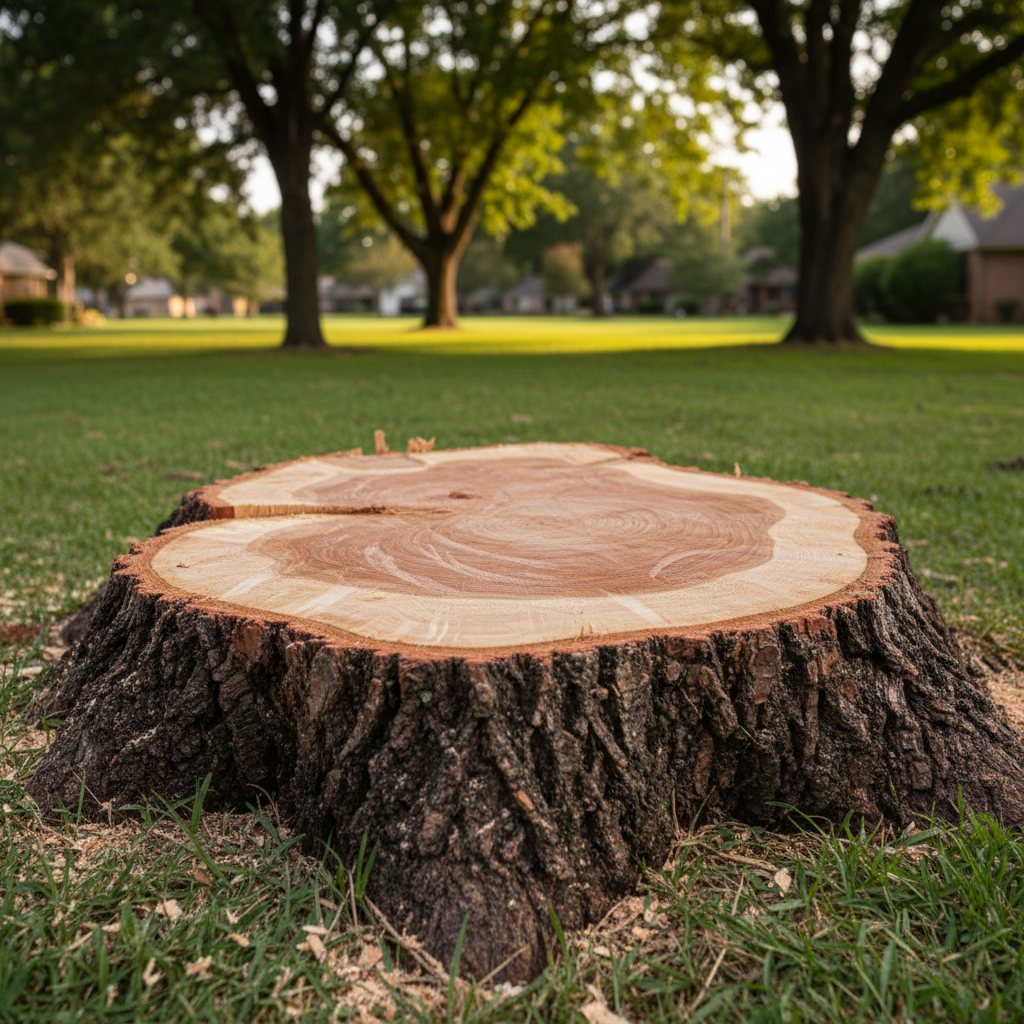
Alright, let's talk about taking down a tree. Maybe it's dead, maybe it's too close to the house, or perhaps you just want more sunlight in the yard. Whatever the reason, tree removal isn't something you just jump into without a plan. You've gotta think about safety, potential property damage, and whether you're actually equipped to do the job. Here's what I've seen over the years and what you really need to know.
Before You Even Touch That Saw
First things first, figure out if this is even *your* job. A small, young tree – say, less than 10-12 feet tall, with a trunk no thicker than your arm – that might be something you can tackle. We're talking about a sapling, not a mature oak, right? If it's bigger than that, or if it's leaning, diseased, or near power lines, you need to stop right there. Seriously, don't even think about it.
You also need to check for permits. Some cities or HOAs have rules about tree removal, especially for larger or protected species. In Huffman, we don't have super strict city-wide ordinances like some of the bigger places, but if you're in a planned community or have an HOA, you absolutely need to check their covenants. You don't want a fine on top of a tree removal bill, do you?
Look at the surroundings. Are there power lines? Your house? Your neighbor's house? A fence? A shed? A well pump? Anything that could get damaged if the tree falls the wrong way. Most of the time, even a small tree can cause a surprising amount of damage if it's not controlled properly. That's a big part of why pros exist, after all.
What You Can Realistically DIY (Maybe)
Okay, so you've got that small, non-threatening tree. Here's what you'll need, and what you should expect:
- Safety Gear: This isn't optional. Eye protection, hearing protection, work gloves, and steel-toed boots are a must. A hard hat is a good idea too, even for small stuff.
- The Right Tools: For a truly small tree, a good hand saw or a small electric chainsaw might do the trick. Just make sure it's sharp and you know how to use it safely.
- A Spotter: You should never do this alone. Have someone with you who can watch for hazards, help clear branches, and call for help if something goes wrong.
- A Clear Escape Route: Before you make a single cut, know exactly where you're going to stand and where you're going to move to once the tree starts to fall.
- Planning the Fall: For a small tree, you're usually just trying to get it to fall in an open area. Make a notch cut on the side you want it to fall, then make your felling cut from the opposite side, slightly above the notch. Don't cut all the way through! Leave a hinge to guide the fall.
Once it's down, you'll need to limb it (cut off the branches) and cut the trunk into manageable pieces for disposal. Remember, even small logs can be heavy. You'll also have a stump to deal with, which is a whole other project. We've got other posts on stump grinding, but for a small one, you might try a chemical remover or just dig it out if it's not too deep.
When It's Time to Call New Look Tree (or Another Pro)
This is where most trees fall. If your tree is:
- Tall: Anything over 15-20 feet, especially if it's near structures.
- Large Diameter: If the trunk is thicker than your leg, it's got some serious weight behind it.
- Leaning or Unstable: A tree that's already compromised is incredibly dangerous. It can fall unpredictably.
- Near Power Lines: This is a huge one. Contacting power lines can be fatal. Utility companies often have specific rules about who can work near their lines.
- Diseased or Decaying: Weakened wood can snap or splinter unexpectedly.
- In a Tight Spot: If there's no clear, safe area for the tree to fall without hitting anything, professional rigging and controlled descent techniques are essential.
- A Species with Hard Wood: Here in Huffman, we've got plenty of oaks and pecans. These trees are incredibly dense and heavy, making them much harder and more dangerous to remove than, say, a sweetgum.
A professional service like New Look Tree has the specialized equipment – cranes, bucket trucks, rigging gear – and, more importantly, the training and insurance to handle these complex situations safely. We know how to assess the tree, plan the cuts, and control the fall, even in tricky spots like between two houses or over a prized flower bed.
After the Tree is Down (Whether You Did It or We Did It)
So, the tree's gone. Now what?
- Debris Cleanup: You'll have branches, sawdust, and maybe some wood chips. If you hired a pro, they'll usually haul all of this away. If you did it yourself, you'll need to figure out disposal. You can chip smaller branches for mulch, cut logs for firewood, or take it to a green waste facility.
- Stump Removal: You'll be left with a stump. As I mentioned, you can grind it down, remove it completely, or treat it to prevent regrowth. Don't just leave it, especially if it's close to your house, as it can attract pests like termites.
- Site Repair: Sometimes, even with the best planning, the ground gets a little torn up, or a patch of grass gets flattened. You might need to add some topsoil and reseed to get your yard looking good again.
Look, I get it. Everyone wants to save a buck. But when it comes to tree removal, especially anything beyond a small sapling, the cost of doing it wrong – property damage, injury, or worse – far outweighs the cost of hiring someone who knows what they're doing. Be smart, be safe, and know your limits.