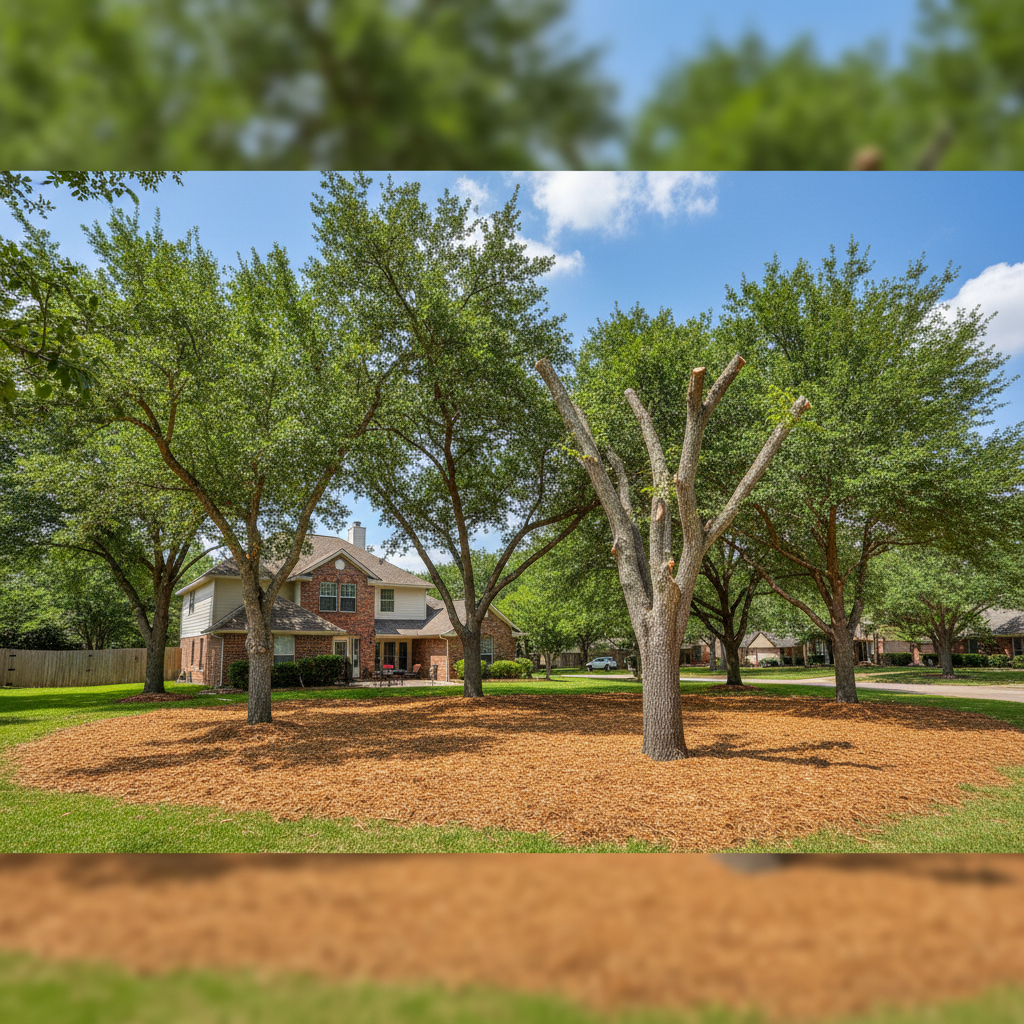
Alright, you've looked up at that big oak or pecan in your yard and decided, "Yep, it's time for a trim." Maybe it's getting a little too close to the house, or you're just plain tired of raking leaves from dead branches. Whatever the reason, planning a tree trimming project isn't something you just jump into without a little thought. I've seen folks try, and honestly, it usually ends up costing them more time and money in the long run. So, let's talk about how to do this right, shall we?
When's the Best Time to Trim?
This is probably the first question that pops into most folks' heads, and it's a good one. Generally, for most deciduous trees here in Huffman – those are the ones that lose their leaves, like your oaks, maples, or elms – the dormant season is ideal. That means late fall after the leaves drop, through winter, and into early spring before new growth really kicks off. Why then? Well, it puts less stress on the tree, gives trimmers better visibility to see the tree's structure, and reduces the chance of disease or insect infestation since those pests are less active.
Now, if you've got a live oak, things are a bit different. We're pretty careful about trimming those between February 1st and July 1st because of oak wilt. That's a serious fungal disease that can spread quickly, and the beetles that carry it are most active when the weather warms up. So, if your live oak needs work, we're usually looking at doing that in the dead of winter or the heat of summer. For evergreens, like pines or magnolias, you can often trim them any time of year, but again, avoiding the hottest or coldest extremes is usually best for their health. Emergency situations, like a storm-damaged limb, obviously trump all these rules – you get that taken care of right away, no question.
What to Expect During the Process
Once you've got a crew scheduled, you're probably wondering what the day looks like. First off, a good crew chief will walk the property with you one last time to confirm the scope of work. They'll point out exactly which branches are coming down or getting trimmed back. This is your last chance to make sure everyone's on the same page.
Then, the work starts. You'll see climbers, sometimes using ropes and harnesses, sometimes using bucket trucks, depending on the size and location of the tree. They'll be making precise cuts, not just hacking away. You'll hear chainsaws, wood chippers, and probably some shouting to coordinate. It's not a quiet job, that's for sure. Safety is paramount, so expect to see hard hats, safety glasses, and other gear. We're not just up there winging it; there's a lot of training and experience that goes into this.
After the trimming, the crew will chip up all the smaller branches and haul away the larger wood. A reputable company, like New Look Tree, will make sure your property is clean when they leave. You shouldn't have to pick up a single twig. Sometimes, folks want to keep the wood chips for mulch, and that's usually something you can arrange beforehand.
How to Prepare Your Property
Before the crew arrives, there are a few things you can do to make the day go smoother and keep your stuff safe:
- Clear the work area: Move anything valuable or fragile from directly under or near the tree. Think patio furniture, grills, garden ornaments, kids' toys, bird feeders, even your car if it's usually parked under the canopy.
- Unlock gates: If the crew needs access to your backyard, make sure gates are unlocked. Let them know if you have any pets that might try to make a break for it.
- Inform neighbors: Especially if branches hang over property lines, it's a good idea to give your neighbors a heads-up. It's just good manners, and it avoids any surprises.
- Mark sprinkler heads: If you have an irrigation system, mark any sprinkler heads that are close to where equipment might be moving. Heavy machinery can do a number on those.
- Secure pets: Keep your dogs and cats inside or in a secure, distant area. The noise and activity can be stressful for them, and you don't want them getting in the way of heavy equipment or falling branches.
Questions to Ask Before You Sign That Contract
Don't just go with the first quote you get. This is your property, and you want to make sure you're hiring someone who knows what they're doing. Here are some non-negotiable questions:
- Are you insured? This is HUGE. They need general liability insurance and workers' compensation. Ask for proof, not just a verbal