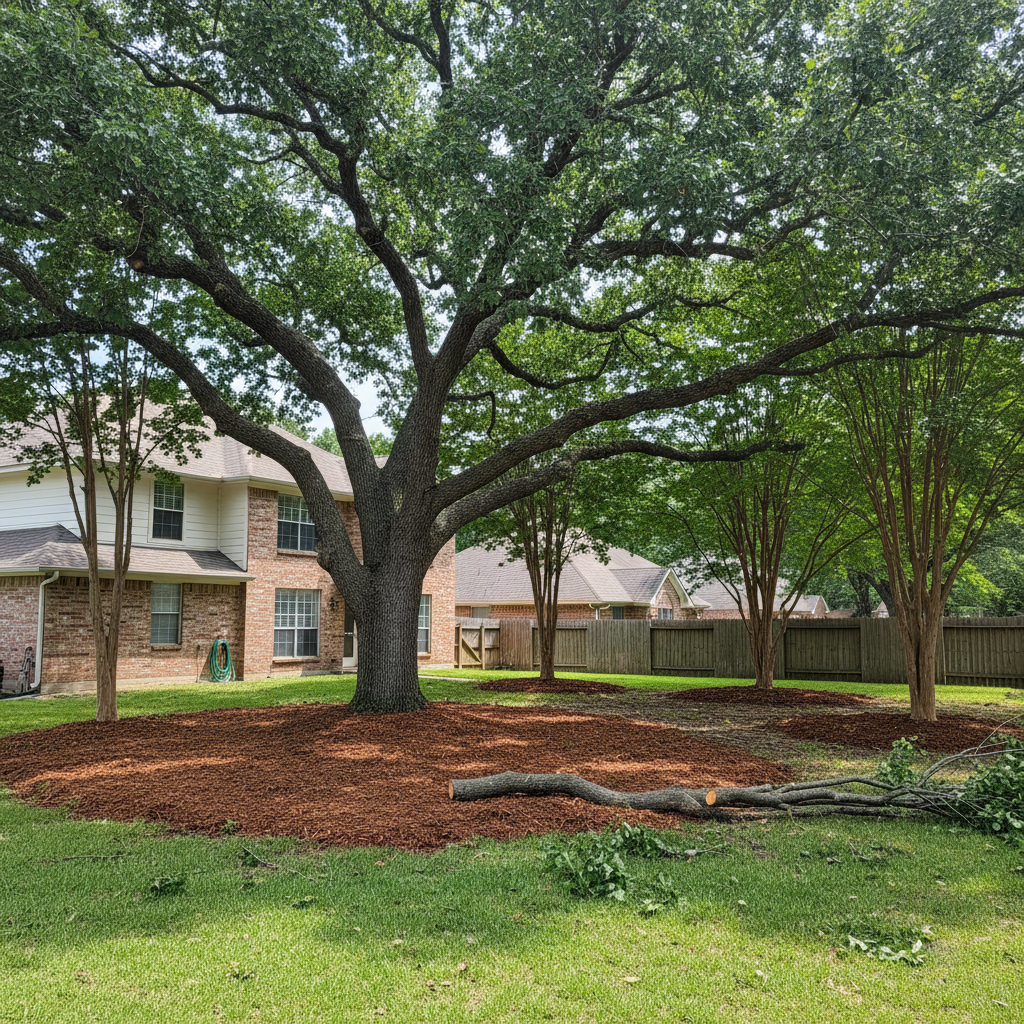
You want your trees to look good and stay healthy, right? Of course you do. But here in Huffman, our weather doesn't always play nice, and that means your trees need a little extra attention throughout the year. It's not just about trimming when they look scraggly; it's about understanding the rhythm of our local climate and how it impacts everything from growth to disease.
Spring: Growth Spurts and Early Warning Signs
Spring in Huffman usually means everything just explodes with new growth. After a mild winter, you'll see buds popping and leaves unfurling. This is a crucial time to keep an eye out for anything that looks off. Are some branches not budding? Do the leaves look discolored or sparse? These can be early indicators of disease or pest infestations that took hold over winter, or maybe they're just starting to emerge. Catching these problems early can save you a lot of headache and expense down the line, believe me.
For us, spring is also when we start getting calls for general clean-up and light shaping. Deadwood from winter storms often becomes more visible once the new leaves come in. It's a good time for a professional assessment, especially if you've got older, established trees. We can spot potential issues before they become major problems. Just remember, don't go crazy with heavy pruning in spring; you'll be cutting off all that new growth and stressing the tree unnecessarily.
Summer: Heat, Humidity, and Hydration
Our Huffman summers are no joke. We're talking serious heat and humidity that can stress even the toughest trees. The biggest thing you can do for your trees in summer is make sure they're getting enough water, especially younger trees or those recently planted. Deep, infrequent watering works better than shallow, daily sprinkles. You want that water to soak down to the root system, not just evaporate off the surface.
We also see a lot of storm damage in summer. Pop-up thunderstorms with high winds are common, and they can snap branches or even uproot entire trees, particularly if they're already weakened. After a big storm, take a walk around your property and check for any broken limbs hanging precariously. Those are hazards that need to be addressed quickly. This isn't the best time for major pruning, as cutting wounds can heal slowly in the intense heat and humidity, making trees more susceptible to disease. However, emergency removals or clearing storm-damaged limbs are always a priority for us at New Look Tree.
Fall: Getting Ready for Dormancy and Structural Pruning
As the temperatures start to drop and the leaves change, fall is a prime time for certain types of tree work. This is when trees are starting to prepare for dormancy, pulling nutrients back into their core. It's an excellent window for structural pruning – removing dead, diseased, or crossing branches that could cause problems later. With the leaves gone, it's much easier to see the tree's overall structure and identify areas that need attention.
Think about getting those larger limbs trimmed back from your house or power lines before winter storms hit. A little proactive maintenance in the fall can prevent a lot of damage when the winds pick up. We also often find that the soil in our area, especially the heavy clay we have around here, can hold a lot of moisture, making it a good time to assess drainage around your tree's root flare. You don't want water pooling there all winter, do you?
Winter: Dormancy, Planting, and Heavy Pruning
Winter, when the trees are dormant, is arguably the best time for significant pruning and tree removal. Without leaves, we can clearly see the entire branch structure, making it easier to make precise cuts that benefit the tree's long-term health and shape. Plus, the tree isn't actively growing, so it's under less stress, and the risk of disease transmission is lower.
If you're planning to plant new trees, late fall or winter is often ideal. It gives the roots time to establish themselves before the stress of spring growth and summer heat. Just make sure the ground isn't frozen solid, which isn't usually a big problem for us here in Huffman. We also tend to get more ice storms than snow, and those can do a number on branches. If you've got trees that are prone to ice damage, consider having them thinned out a bit in the winter to reduce the surface area for ice accumulation.
Taking care of your trees isn't a one-and-done deal. It's a year-round commitment, especially with the weather swings we get here. Knowing what to look for and when to act can make all the difference in keeping your landscape healthy and beautiful.