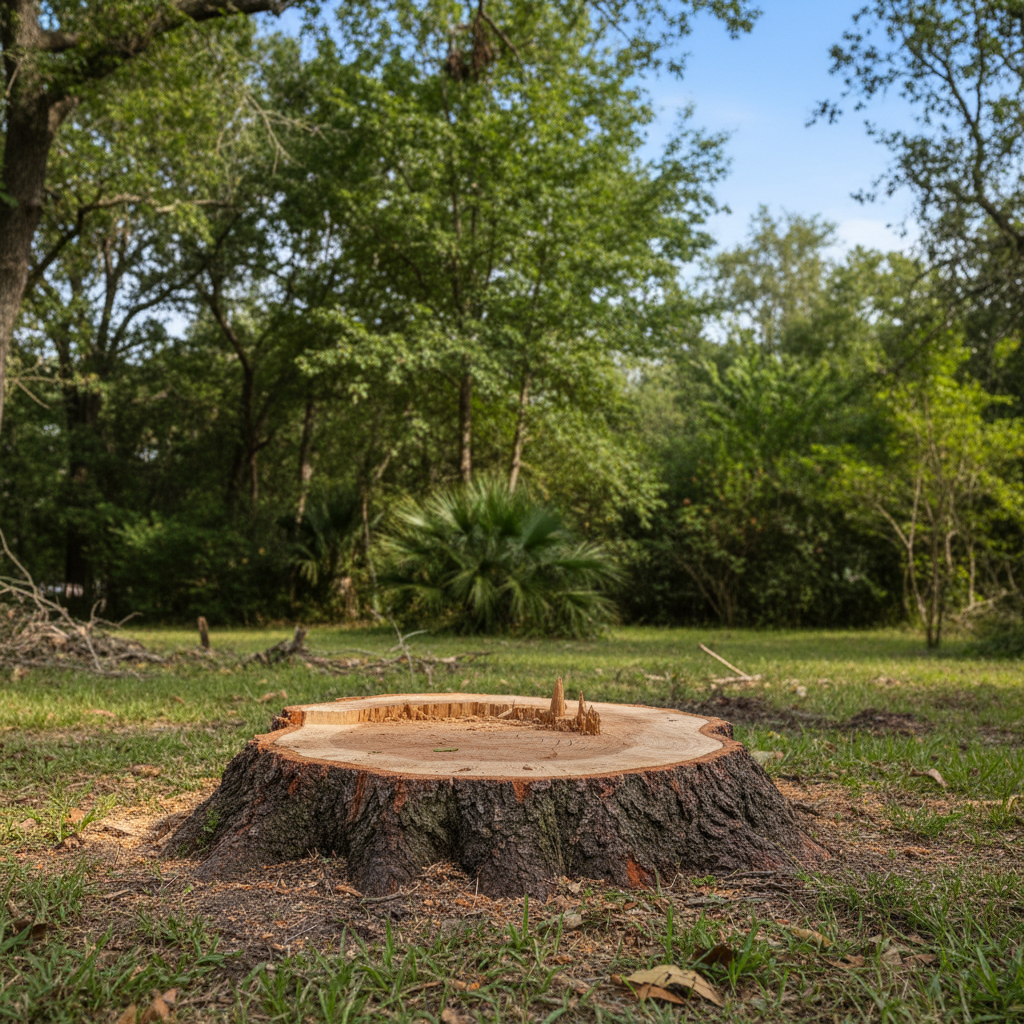
Thinking About Taking Down a Tree? Read This First.
You've got a tree on your property here in Huffman, maybe it's looking a little rough, or it's just in the way of that new deck you're planning. So, you're thinking about taking it down yourself to save a few bucks. I get it. Everyone wants to be handy, and sometimes, you absolutely can be. But with tree removal, there's a big difference between trimming a small branch and felling a whole tree. Let's talk about what's realistic for a homeowner and when you really, really need to call in a professional.
Before You Even Think About Cutting
First things first, safety. This isn't just about wearing gloves; it's about understanding the risks. A falling tree, or even a large limb, can do serious damage to your house, your car, your neighbor's property, or, worst of all, you. I've seen some close calls over the years, and trust me, it's not worth the risk.
Here's what you need to consider before you even touch a saw:
- Size and Location: Is it a small sapling you can cut with hand pruners, or is it a mature oak towering over your roof? If it's taller than you can comfortably reach with a pole saw, or if it's anywhere near power lines, your house, or other structures, stop. Seriously, just stop.
- Tree Health: Is the tree dead, diseased, or rotten? These trees are unpredictable. They can snap unexpectedly, and their wood might be unstable. A tree that looks fine on the outside could be hollow inside, making it incredibly dangerous to fell.
- Your Equipment & Skill: Do you have the right tools? A sharp chainsaw, safety gear (helmet, eye protection, ear protection, chaps)? More importantly, do you know how to use them safely and effectively? Felling a tree isn't just about cutting; it's about understanding the lean, the hinge, and the escape route.
- Permits: Check with the city or county. Some areas, especially if the tree is large or a protected species, require a permit for removal. You don't want to get hit with a fine on top of everything else.
What You Can (Probably) Do Yourself
Okay, so you've assessed the situation. Here's where you might be able to handle things:
- Small Saplings & Shrubs: If it's a small tree, say less than 10-12 feet tall, and it's not near any structures or power lines, you can probably manage it with a hand saw or a small electric chainsaw. Make sure you have a clear felling path and an escape route.
- Small, Low-Hanging Branches: If you're just trimming off a few small, dead branches that you can reach safely from the ground or a stable ladder, go for it. Always cut from the underside first to prevent bark stripping.
- Fallen Trees (After a Storm): If a tree has already fallen and is safely on the ground, you can often cut it up for firewood or disposal. Be careful of tension in the wood though; branches can spring back unexpectedly.
When to Call New Look Tree (Or Another Pro)
This is the important part. When in doubt, call us. It's always cheaper to pay a professional than to repair a damaged roof or pay medical bills. You need a pro if:
- The tree is large: Anything over 20 feet, especially if it has a significant canopy.
- It's near power lines: This is non-negotiable. Don't even think about it. Power lines are deadly.
- It's leaning towards your house or other structures: Predicting how a tree will fall is an art and a science. We use rigging, ropes, and specialized cutting techniques to bring it down safely, piece by piece if necessary.
- The tree is diseased, rotten, or storm-damaged: These trees are unpredictable and can be extremely dangerous. The wood might be weak, or it could have internal stresses that you can't see.
- You don't have the right equipment or experience: Don't try to learn on the job with a live tree.
- It's in a tight spot: If there's not a lot of room for the tree to fall without hitting something, you need a professional who can carefully dismantle it.
Here in Huffman, with our mixed soil types – sometimes sandy, sometimes that heavy clay – trees can grow deep roots, but also become unstable in heavy winds, especially older pecans or oaks. We understand how these local conditions affect tree stability and removal. We've got the equipment, the training, and the insurance to handle these jobs safely and efficiently.
After the Tree is Down
Whether you did it yourself or hired a pro, you'll have debris. You'll need to decide if you want to chip the branches, cut the trunk into firewood, or have it hauled away. If you hire a professional like New Look Tree, we typically handle all the cleanup, leaving your property tidy. If you tackled it yourself, plan for how you'll dispose of all that wood and brush.
Look, I'm all for homeowners being self-sufficient. But some jobs are just too risky to DIY. Tree removal is one of them. For the sake of your safety and your property, know your limits. When it comes to anything more than a small, clear-cut job, give us a call. We're here to help you get it done right and keep everyone safe.